


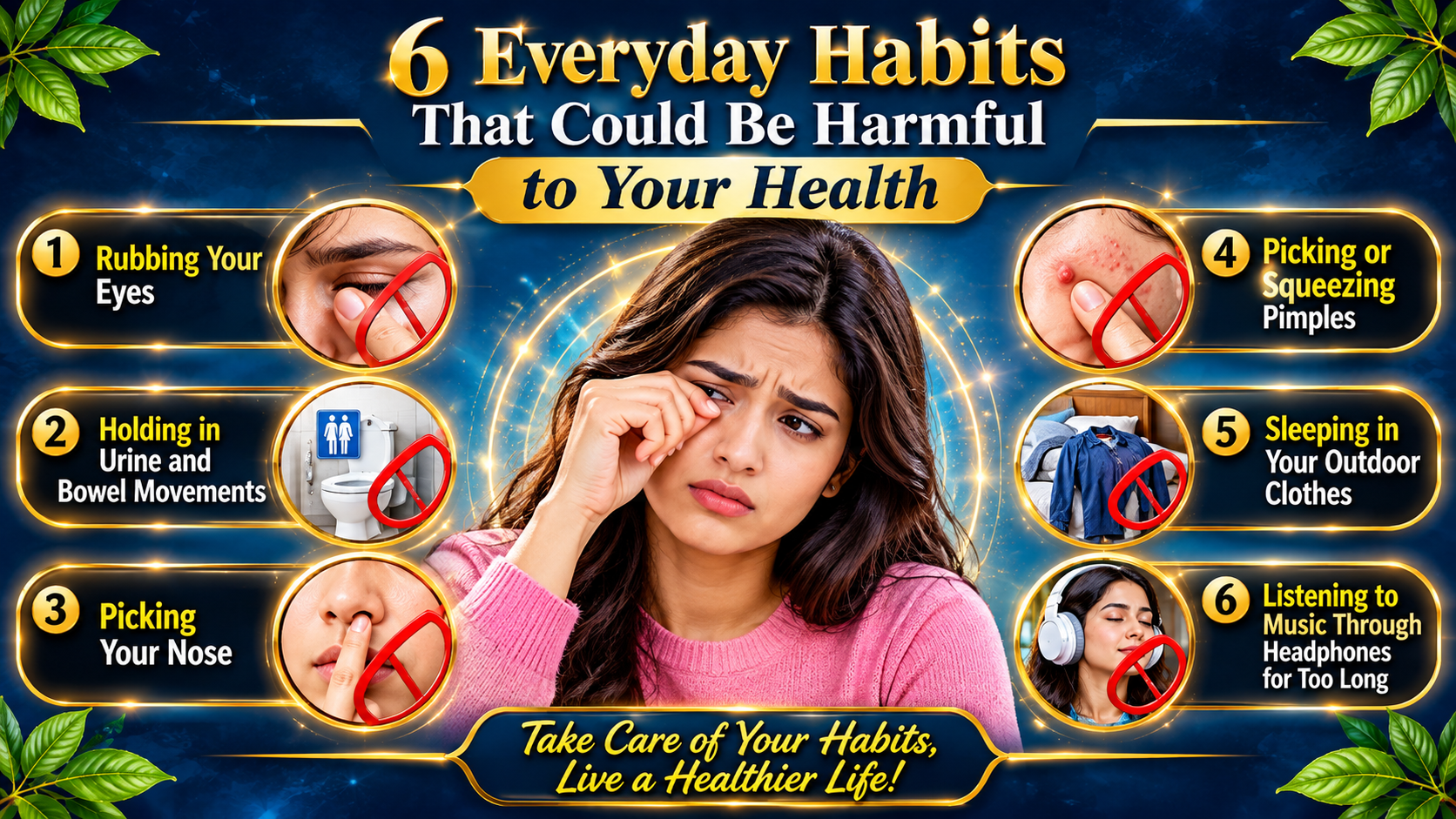
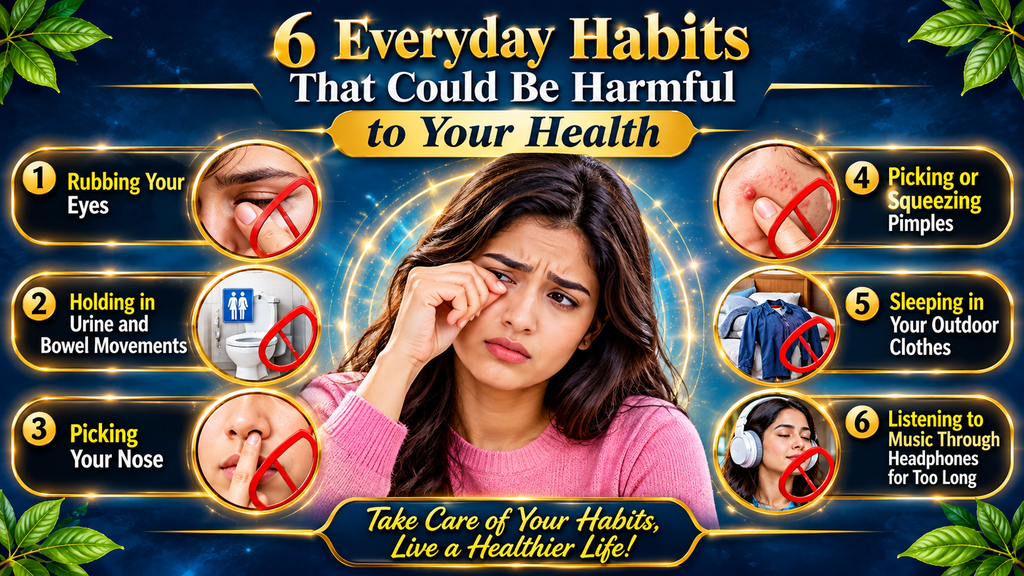
Did you know that some everyday habits, such as rubbing your eyes too hard or blowing your nose forcefully, may cause more harm than you realise?
Many of us repeat certain actions every day without thinking about their possible effects on our health. Although these habits may seem harmless at first, some can contribute to irritation, infections or other health problems over time.
Let’s take a look at six common habits that you should try to avoid for better health and well-being.
1. Rubbing Your Eyes with Your Hands
Many people have a habit of rubbing their eyes immediately after waking up in the morning. We may also rub our eyes when they feel tired, irritated, watery or when something gets into them.
However, rubbing your eyes too hard or too frequently can cause problems. It may scratch the surface of your eyes, worsen allergy symptoms and potentially weaken the cornea over time. Repeated and excessive eye rubbing is also associated with an increased risk of developing keratoconus, a condition that affects the shape of the cornea.
Try to avoid rubbing your eyes, especially with unclean hands. If your eyes feel irritated, handle them gently.
2. Holding in Urine and Bowel Movements
Many people sometimes delay going to the bathroom because they are busy or do not have convenient access to a toilet.
However, regularly holding urine for too long can affect bladder health. It may weaken the bladder muscles and increase the risk of urinary tract infections (UTIs).
Similarly, repeatedly delaying bowel movements may contribute to constipation and discomfort.
Responding to your body’s natural signals and maintaining healthy bathroom habits are important for overall well-being.
3. Picking Your Nose
Nose picking is not only an unhygienic habit but can also cause irritation and damage to the delicate lining inside your nose.
The sharp edges of your fingernails may scratch the inner surface of your nostrils, creating small wounds. These areas can become infected, particularly when bacteria enter through the damaged skin.
Avoid picking your nose, and maintain good hand hygiene to help protect your nasal health.
4. Picking or Squeezing Pimples
Occasional acne and pimples are common, particularly due to changes in hormones, environmental factors and skin conditions. With appropriate skincare, many pimples improve naturally.
However, some people try to remove pimples by squeezing or picking them with their fingernails.
This habit can make acne worse. Touching and squeezing pimples may push bacteria and other material deeper into surrounding skin tissues, increasing inflammation and the risk of infection.
It can also increase the likelihood of developing permanent acne scars and dark marks.
Avoid picking or squeezing pimples and allow your skin to heal naturally.
5. Sleeping in Your Outdoor Clothes
After returning home from work, school or other outdoor activities, many people feel too tired or lazy to change their clothes before going to bed.
However, outdoor clothing may carry sweat, dust and environmental dirt accumulated throughout the day.
Going to bed without changing can reduce your personal hygiene and expose your skin and bedding to unwanted dirt and impurities.
Make it a habit to change into clean, comfortable home clothes before sleeping. Maintaining proper personal hygiene is an important part of keeping your skin healthy.
6. Listening to Music Through Headphones for Too Long
Listening to music through headphones is a common everyday habit. However, spending long periods listening at high volumes can put your hearing at risk.
Repeated exposure to loud sounds may damage sensitive structures inside the ears and gradually lead to permanent hearing loss or tinnitus (ringing or buzzing in the ears).
The risk depends on both the volume and the duration of exposure.
Try to keep your headphone volume at a safe level and take regular listening breaks to protect your hearing.
Conclusion
Small everyday habits can have a significant impact on our overall health and well-being. Avoiding excessive eye rubbing, delaying bathroom visits, picking your nose, squeezing pimples, neglecting clothing hygiene and listening to loud music for extended periods can help reduce preventable health risks.
Making small, positive changes to your daily routine is a simple way to take better care of yourself.
Stay mindful of your habits, protect your health and live better!
Disclaimer
This article is intended for general informational and educational purposes only. It does not constitute medical advice, diagnosis or treatment. Individual health conditions and risks may vary. Consult a qualified healthcare professional if you experience persistent discomfort, irritation, infection or other concerning symptoms.
References
These are credible medical references supporting the relevant health information:
1. American Academy of Ophthalmology (AAO) – Is It OK to Rub Your Eyes?. Supports the discussion about eye rubbing and corneal health.
2. National Institute of Diabetes and Digestive and Kidney Diseases (NIDDK) – The Urinary Tract & How It Works. Explains the effects of regularly holding urine.
3. Cleveland Clinic – Nasal Vestibulitis: Symptoms, Treatment & Outlook. Discusses nasal irritation and infection associated with nose picking.
4. American Academy of Dermatology (AAD) – Acne Scars: Causes. Explains how picking and squeezing pimples can increase the risk of acne scarring.
5. World Health Organization (WHO) – Deafness and Hearing Loss: Safe Listening. Explains the relationship between prolonged exposure to loud sounds and hearing damage.
6. National Institute on Aging (NIA) – 15 Tips to Keep Your Bladder Healthy. Provides additional guidance on healthy bladder habits.