


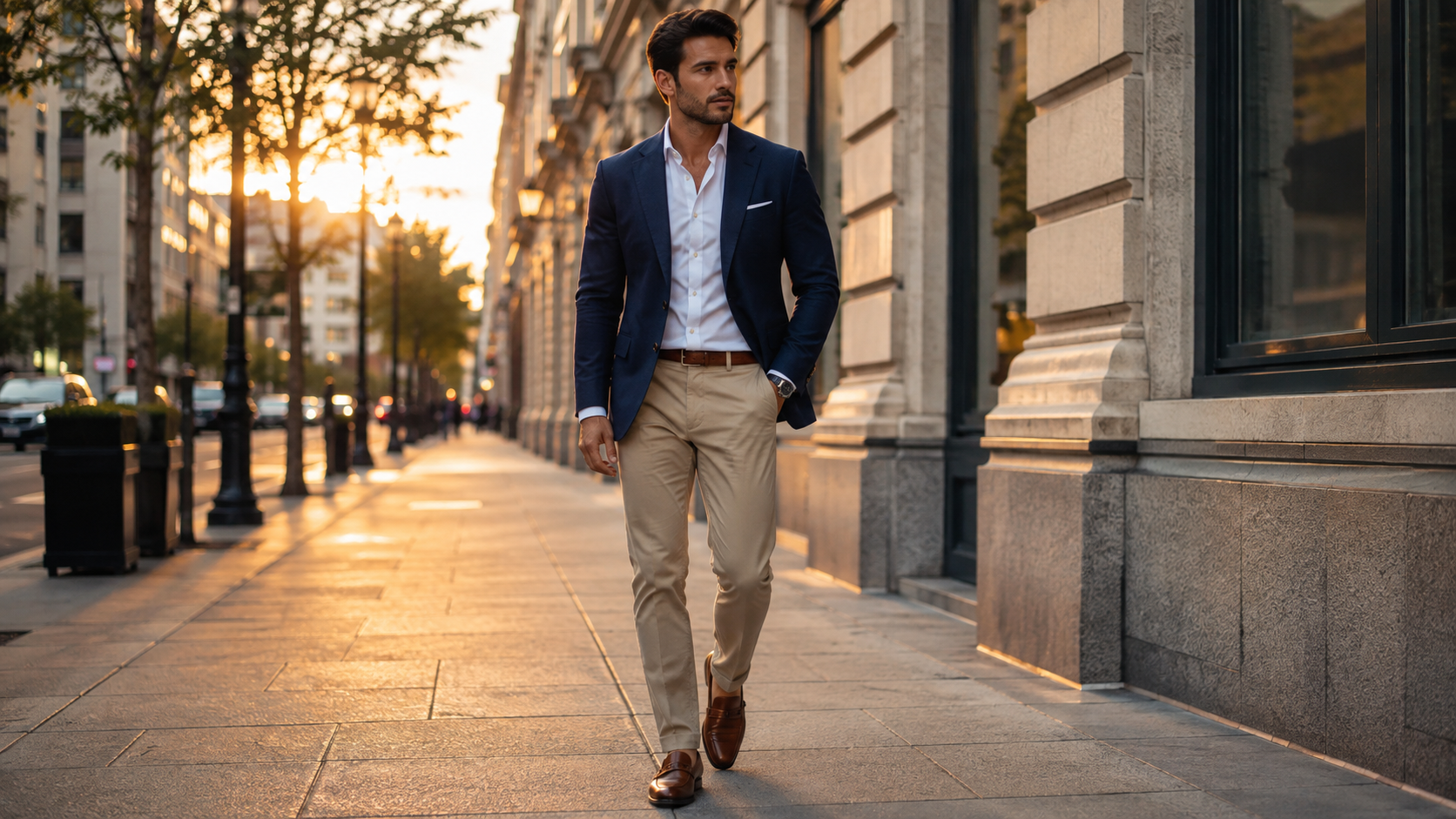
20 Common Men’s Style Mistakes to Avoid
The Simple Habits That Instantly Make You Look Better
Style Isn’t About Wearing Expensive Clothes—It’s About Wearing the Right Ones
Imagine walking into a meeting, a restaurant, or even a first date. Before you shake hands or say a single word, people have already started forming an opinion about you. It’s a natural part of human behavior. The clothes you wear, how they fit, and the way you carry yourself all contribute to that first impression.
Here’s the surprising part: most people don’t notice the brand on your shirt or the price of your shoes. What they do notice is whether your outfit looks intentional, clean, and appropriate for the occasion.
That’s why true style has very little to do with money.
Some of the best-dressed men in the world don’t own overflowing wardrobes filled with luxury labels. Instead, they understand a simple principle: wear clothes that fit well, choose timeless pieces, and pay attention to the details.
Unfortunately, many men unknowingly make small style mistakes that quietly undermine their appearance. The good news? Almost all of them are easy to fix—and often without spending a dollar.
Whether you’re preparing for a job interview, building a professional wardrobe, updating your weekend style, or simply wanting to feel more confident, avoiding these common mistakes can transform the way others see you—and the way you see yourself.
Let’s start with the most common one of all.
1. Buying Clothes for the Person You Want to Be—Not the Person You Are
Walk into any clothing store, and you’ll find every size imaginable. Yet one of the biggest mistakes men make happens long before they reach the checkout counter.
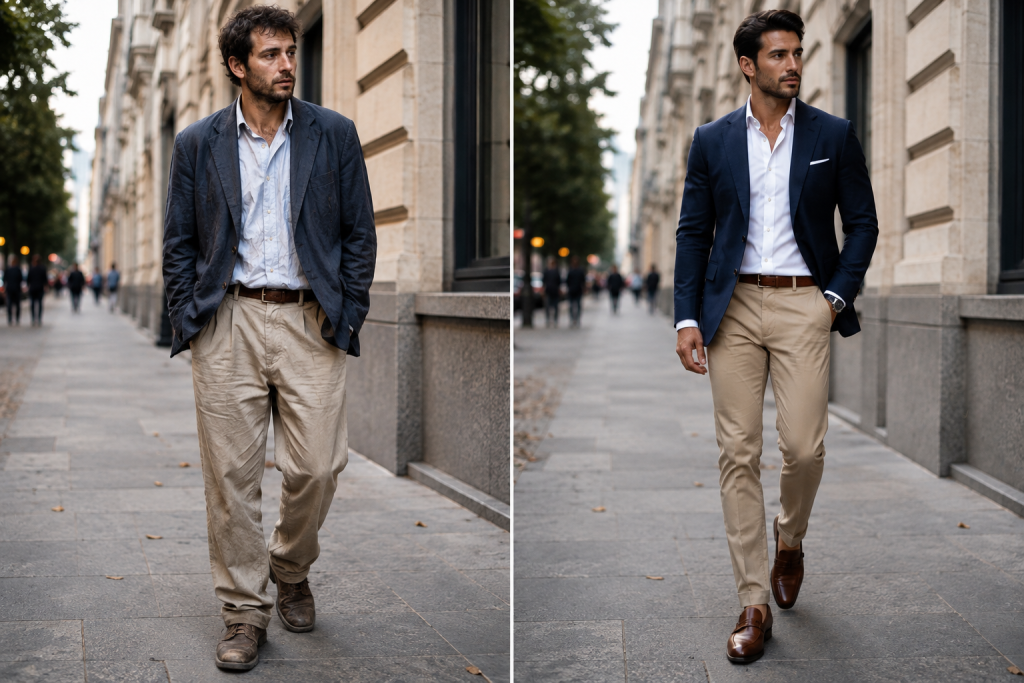
Some buy shirts one size too small, hoping they’ll lose weight in a few months. Others choose oversized hoodies and jackets because they feel more comfortable hiding behind loose fabric.
Neither approach works.
The most stylish men dress the body they have today—not the one they hope to have next year.
A shirt that’s too tight pulls across the chest, strains at the buttons, and restricts movement. On the other hand, oversized clothing creates a boxy silhouette that can make you appear shorter and less polished.
Professional tailors often say that fit is the foundation of great style. Even an affordable shirt can look premium when it fits correctly.
Quick Tip
Before buying any shirt or blazer, check these three areas:
- The shoulder seams should sit exactly on your shoulders.
- Sleeves should end at your wrist bone.
- The shirt should skim your body without pulling or billowing.
If necessary, invest in basic tailoring. A few minor alterations can completely transform an inexpensive garment.
2. Thinking Grooming Is Optional
You can own the perfect wardrobe, but if your grooming is neglected, your overall appearance suffers.
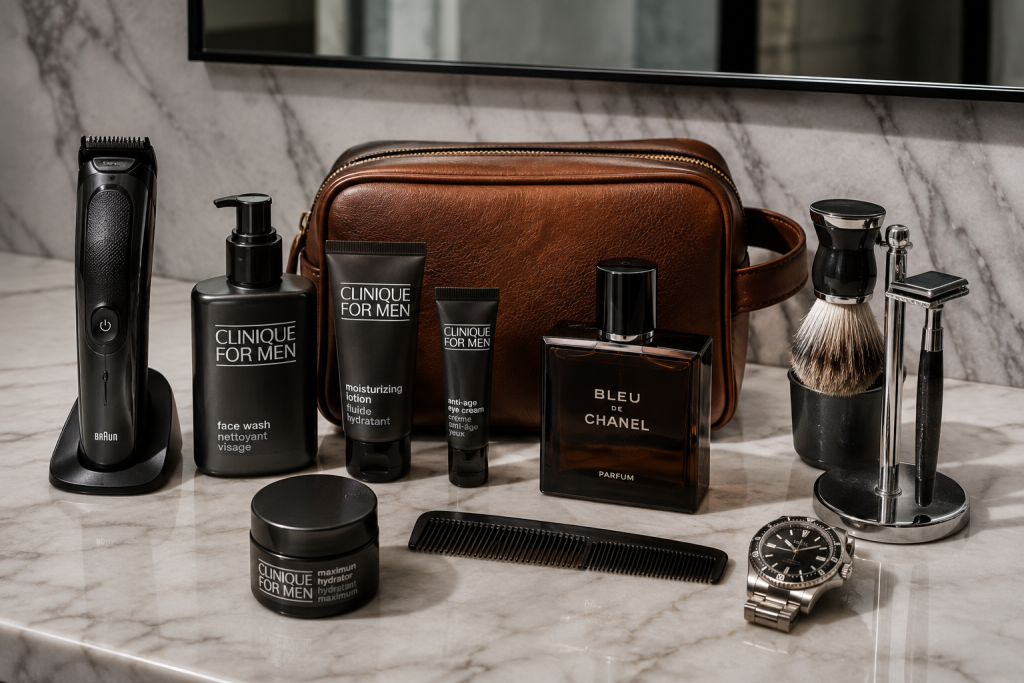
Style isn’t just about clothing. It’s also about presentation.
Consider two men wearing the exact same navy blazer and white shirt. One has neatly trimmed hair, clean nails, fresh skin, and polished shoes. The other has messy hair, an overgrown beard, and wrinkled cuffs.
Most people will naturally perceive the first man as more professional and more confident—even though both are wearing the same outfit.
Good grooming sends a simple message:
“I take care of myself.”
That message influences how colleagues, clients, and even strangers respond to you.
Grooming Checklist
- Keep your haircut fresh.
- Trim your beard regularly or stay clean-shaven.
- Moisturize dry skin.
- Keep fingernails clean.
- Use deodorant daily.
- Apply fragrance sparingly.
You don’t need an expensive grooming routine—just a consistent one.
3. Ignoring the Power of Clean, Wrinkle-Free Clothing
One of the easiest ways to look more polished doesn’t involve buying anything new.
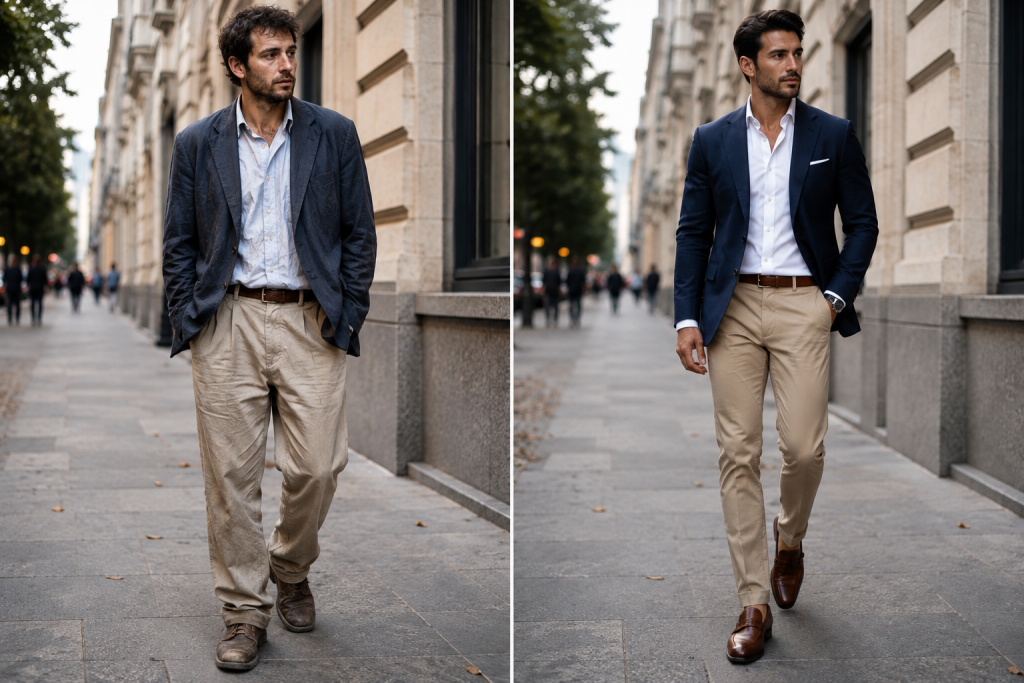
It starts with an iron.
Wrinkled shirts, creased trousers, or stained clothing can make even a luxury outfit appear neglected. In contrast, freshly pressed clothes immediately communicate attention to detail.
Think about the last wedding, interview, or important presentation you attended. Chances are, the people who looked the sharpest weren’t wearing the most expensive clothes—they were simply wearing clean, well-maintained ones.
Taking five minutes to iron a shirt before leaving home often makes a bigger difference than buying a new one.
Style Habit
Create a simple evening routine.
Prepare tomorrow’s outfit the night before, check for wrinkles, polish your shoes if needed, and you’ll never have to rush in the morning.
4. Forgetting That People Notice Your Shoes
There’s an old saying in menswear:
“You can judge a gentleman by his shoes.”
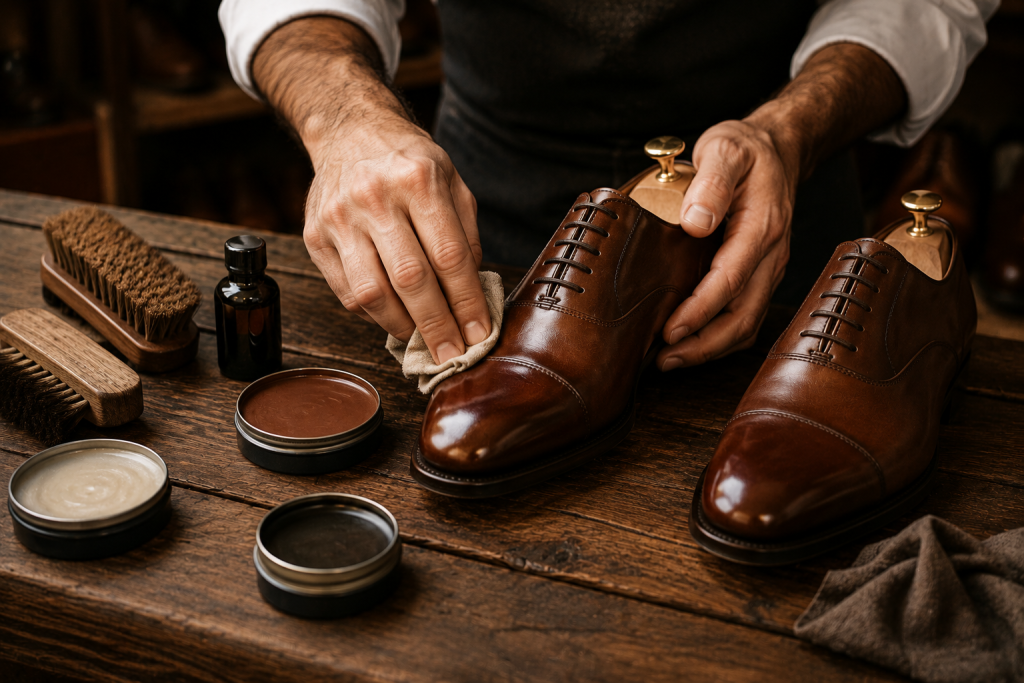
While that may sound old-fashioned, there’s still some truth behind it.
Shoes often reveal how much attention someone pays to detail.
A pair of polished leather loafers, clean white sneakers, or well-maintained boots can elevate an ordinary outfit.
Dirty sneakers, cracked leather, or worn-out soles do exactly the opposite.
You don’t need a closet full of footwear.
Most men can build a versatile shoe collection with just a few essentials:
- White leather sneakers
- Brown leather loafers
- Black Oxford shoes
- Casual boots
- Running shoes for exercise
Take care of them, and they’ll take care of your style.
5. Believing Big Logos Equal Better Style
A giant designer logo across your chest doesn’t automatically make an outfit fashionable.
In fact, many of today’s best-dressed men are moving in the opposite direction.
Modern style is increasingly defined by clean silhouettes, quality fabrics, and understated details.
Luxury today is often quiet rather than loud.
Instead of asking,
“Can people see the brand?”
Ask,
“Does this outfit look balanced, timeless, and well put together?”
Minimal branding allows your personality—not the logo—to become the focal point.
It’s a subtle shift, but one that instantly makes your style feel more refined.
6. Wearing the Wrong Shoes for the Occasion
Few things throw off an outfit faster than the wrong pair of shoes.
Picture someone wearing a sharp navy suit with running shoes at a business meeting. Or imagine showing up to a beach party in polished Oxford shoes. Neither combination feels intentional, even if each item looks great on its own.
Shoes should support your outfit—not compete with it.
The occasion, weather, and dress code all play a role in choosing the right footwear. Investing in a few versatile pairs allows you to dress appropriately without owning dozens of shoes.
A Simple Shoe Guide
| Occasion | Best Choice |
| Business Meeting | Oxford Shoes, Derby Shoes, Loafers |
| Office Smart Casual | Leather Loafers, Chelsea Boots |
| Weekend Outing | White Sneakers, Casual Loafers |
| Wedding | Black Oxford Shoes |
| Dinner Date | Leather Loafers or Chelsea Boots |
| Gym | Running or Training Shoes |
Remember, quality matters more than quantity. Five well-maintained pairs can cover nearly every occasion.
7. Wearing Too Many Accessories
Accessories should complete an outfit—not become the entire outfit.
It’s easy to assume that adding more watches, rings, bracelets, necklaces, and sunglasses creates a stylish appearance. In reality, too many accessories often distract from the overall look.
Think of accessories as seasoning in cooking. A little enhances the meal. Too much ruins it.
Most well-dressed men follow a simple rule:
Less is more.
A classic watch, a leather belt, and perhaps a wedding band or subtle bracelet are often all you need.
Minimalism doesn’t mean boring—it means intentional.
The Rule of Balance
If your watch is bold, keep the rest of your accessories simple.
If you’re wearing a statement jacket, avoid oversized necklaces or flashy belts.
Your outfit should have one focal point, not five.
8. Ignoring Your Socks
Socks might seem like a small detail, but they can make or break a polished outfit.
A beautifully tailored charcoal suit paired with bright white athletic socks immediately draws attention—for all the wrong reasons.
Your socks should blend naturally with your outfit rather than interrupt it.
As a general rule, dress socks should match the color of your trousers more closely than your shoes. This creates a longer, cleaner visual line.
For casual outfits, however, socks offer an opportunity to express personality. Subtle patterns or tasteful colors can add character without overwhelming the look.
Common Sock Mistakes
- White athletic socks with dress shoes
- Socks that are too short and expose skin when sitting
- Worn-out socks with holes or fading
- Loud novelty designs in formal settings
Small details often leave the strongest impressions.
9. Wearing Too Many Colors at Once
Color is one of the easiest ways to improve your style—and one of the easiest ways to get it wrong.
Some men believe wearing more colors makes an outfit more fashionable. More often, it creates visual chaos.
A balanced wardrobe doesn’t require dozens of colors.
Instead, build your outfits around timeless neutral shades such as:
- Navy
- White
- Black
- Gray
- Olive
- Beige
- Brown
These colors work together effortlessly and create a refined appearance.
Once you have a neutral foundation, introduce one accent color if you want additional personality.
For example:
A navy blazer, white shirt, beige chinos, and brown loafers already create a polished look.
Adding a burgundy pocket square or forest-green tie provides just enough contrast without overwhelming the outfit.
A Helpful Rule
Limit yourself to three main colors in a single outfit.
This simple guideline works surprisingly well for most occasions.
10. Chasing Every Fashion Trend
Fashion trends change every season.
Style lasts much longer.
Every year introduces new colors, oversized silhouettes, sneakers, fabrics, and accessories. While experimenting can be enjoyable, building your wardrobe around short-lived trends often leads to unnecessary spending and a closet full of clothes that quickly feel outdated.
The most stylish men don’t constantly reinvent themselves.
Instead, they build a strong collection of timeless essentials and selectively incorporate modern trends that genuinely suit their personality.
Classic pieces rarely disappoint:
- White Oxford shirt
- Navy blazer
- Dark denim jeans
- Leather loafers
- White sneakers
- Neutral chinos
- Cashmere sweater
- Well-fitted overcoat
These items have remained stylish for decades because they work.
Fashion trends should complement your wardrobe—not define it.
What Stylish Men Do Differently
Looking well-dressed isn’t usually about buying better clothes.
It’s about developing better habits.
Well-dressed men often:
- Prepare tomorrow’s outfit the night before.
- Polish leather shoes regularly.
- Replace worn T-shirts before they become faded.
- Invest in tailoring rather than expensive logos.
- Buy fewer pieces but choose higher quality.
- Keep their wardrobes organized.
- Dress appropriately for the occasion.
- Prioritize fit above brand names.
Style becomes effortless when these habits become routine.
Expert Insight: Why First Impressions Matter
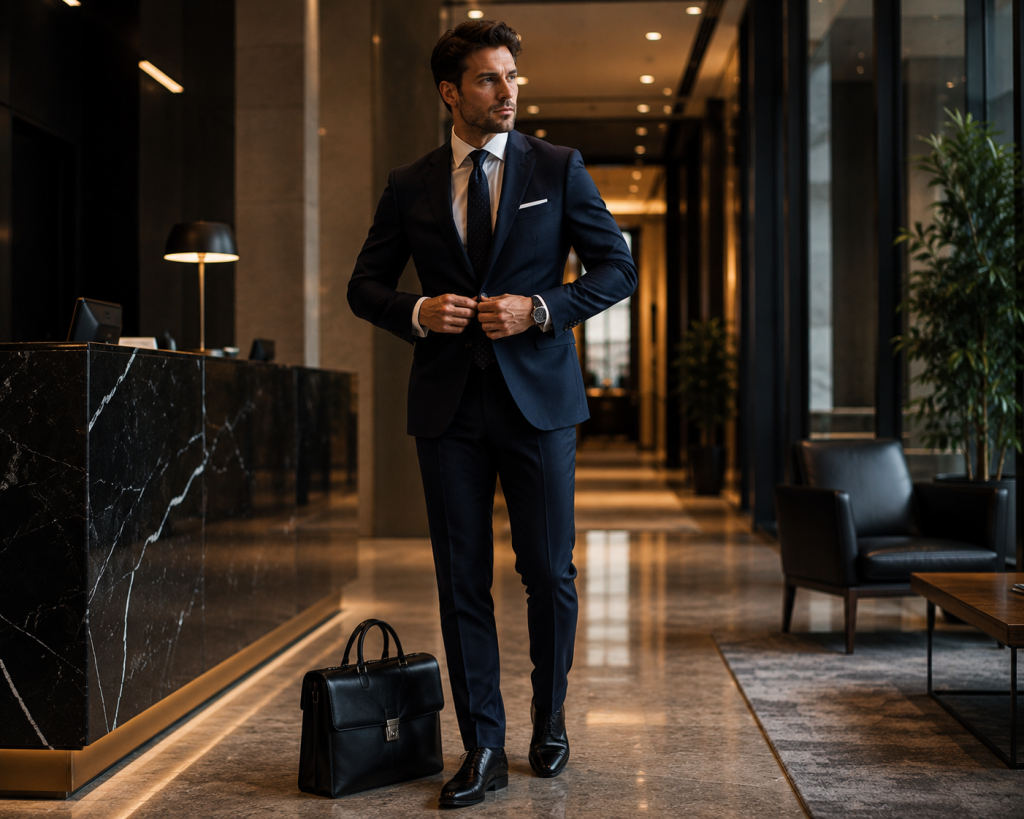
Research in psychology suggests that first impressions form remarkably quickly. While those impressions can change over time, appearance often plays a role in how people initially perceive confidence, professionalism, and attention to detail.
This doesn’t mean expensive clothing guarantees success or that appearance is more important than character. Rather, dressing thoughtfully can help communicate respect—for yourself, for others, and for the occasion.
The goal isn’t perfection. It’s intention.
When your clothing fits well, your grooming is consistent, and your outfit matches the setting, you remove distractions and allow your personality to take center stage.
Style Challenge
This week, try one simple experiment.
Instead of buying something new, choose an outfit you already own.
Iron the shirt.
Clean the shoes.
Match your belt to your footwear.
Wear a watch.
Stand up straight.
Smile.
You may be surprised by how differently people respond—not because you’ve changed who you are, but because you’ve presented the best version of yourself.
11. Buttoning Your Blazer the Right Way
A well-tailored blazer has the power to elevate almost any outfit. But even the finest jacket can look awkward if it’s buttoned incorrectly.
Many men fasten every button without giving it a second thought. It’s a small detail, yet one that instantly stands out in formal settings.
For a standard two-button blazer, the rule is simple:
- Always button the top button when standing.
- Never button the bottom button.
- Unbutton the blazer before sitting down.
This tradition dates back more than a century and remains a hallmark of classic menswear. Following it helps the jacket drape naturally and allows you to move comfortably.
Editor’s Tip
If you’re unsure whether to button your blazer, remember this phrase:
“Sometimes. Never.”
Top button: Sometimes.
Bottom button: Never.
12. Building a Wardrobe Without the Basics
Many men spend money chasing seasonal trends while overlooking the timeless essentials they wear most often.
A strong wardrobe isn’t built around dozens of outfits—it’s built around versatile pieces that work together.
Think of your wardrobe as a toolkit. Every item should have a purpose.
The Modern Man’s Wardrobe Essentials
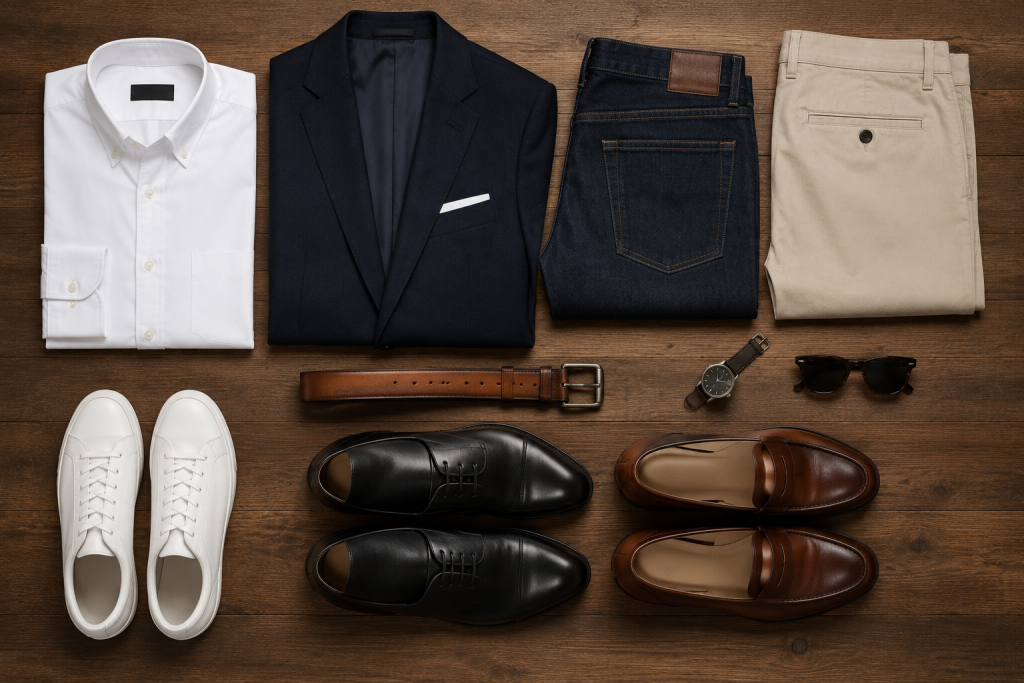
Tops
- White Oxford Shirt
- Light Blue Oxford Shirt
- White Crew-Neck T-Shirt
- Black T-Shirt
- Navy Polo Shirt
- Grey Sweater
Bottoms
- Dark Blue Jeans
- Beige Chinos
- Charcoal Dress Trousers
Outerwear
- Navy Blazer
- Lightweight Bomber Jacket
- Classic Overcoat (for colder months)
Shoes
- White Leather Sneakers
- Brown Loafers
- Black Oxford Shoes
- Chelsea Boots
Accessories
- Leather Belt
- Classic Wristwatch
- Sunglasses
- Slim Leather Wallet
These pieces can be mixed and matched to create dozens of outfits suitable for work, travel, dinners, and weekends.
Instead of buying more clothes, buy smarter clothes.
13. Using Too Much Cologne
A signature fragrance can leave a memorable impression.
Too much of it can have the opposite effect.
Fragrance should be discovered—not announced.
Many men mistakenly believe that applying more cologne makes it last longer. In reality, an overpowering scent can overwhelm the people around you, especially in offices, restaurants, or public transport.
A subtle fragrance feels inviting.
An excessive one becomes distracting.
Best Practice
Apply fragrance to pulse points such as:
- Neck
- Behind the ears
- Wrists
For most fragrances, two to four sprays are enough.
Remember, people should notice your fragrance only when they’re close enough to shake your hand—not from across the room.
14. Ignoring the Dress Code
Every occasion has its own unspoken expectations.
Turning up overdressed or underdressed can make you feel uncomfortable before the event has even begun.
Imagine attending a formal wedding in sneakers and jeans.
Now imagine arriving at a casual barbecue wearing a three-piece suit.
Neither outfit is technically “wrong” on its own—but both feel out of place.
Dressing appropriately shows respect for the event, the host, and the people around you.
A Simple Guide
Business Meeting
Structured blazer, dress shirt, tailored trousers, leather shoes.
Smart Casual Dinner
Polo shirt or Oxford shirt, chinos, loafers.
Weekend Outing
Well-fitted jeans, quality T-shirt, clean sneakers.
Wedding
Suit or blazer, dress shoes, coordinated accessories.
Style isn’t just about what you wear.
It’s about wearing the right thing at the right time.
15. Forgetting That Small Details Matter
People rarely remember every piece of clothing you’re wearing.
They remember the details.
A mismatched belt.
Scuffed shoes.
A stained cuff.
A loose thread.
An untucked shirt.
These small things quietly influence how polished—or careless—you appear.
One classic menswear guideline still holds true:
Match your belt to your shoes whenever possible.
Black shoes pair best with a black belt.
Brown shoes pair best with a brown belt.
The same principle applies to leather watch straps if you’re wearing one.
These details may seem insignificant individually, but together they create a refined appearance.
16. Carrying an Overstuffed Wallet
Your wallet travels with you every day, yet many men rarely think about how it affects their appearance.
A bulky wallet stretching the back pocket of your trousers not only looks untidy but can also distort the fit of your clothing.
Over time, it may even wear out your trousers unevenly.
Take a few minutes every month to remove old receipts, expired cards, and anything you no longer need.
A slim wallet feels lighter, looks cleaner, and complements a modern wardrobe far better than an overstuffed one.
17. Layering Without Purpose
Layering is one of the easiest ways to add depth and sophistication to an outfit.
Done poorly, however, it can leave you looking bulky rather than stylish.
Good layering begins with lightweight pieces closest to the body and gradually adds thicker garments.
For example:
- White T-shirt
- Oxford shirt
- Lightweight knit sweater
- Navy blazer
Each layer should work together in terms of both color and proportion.
Avoid wearing multiple bulky items at once, and make sure every layer can stand on its own if you remove one during the day.
The goal isn’t simply to wear more clothing—it’s to create balance.
18. Overlooking Fabric Quality
A garment’s fabric often matters more than the brand stitched onto the label.
High-quality materials not only feel more comfortable but also tend to hold their shape, age better, and provide a more polished appearance.
Natural fabrics remain popular for good reason:
- Cotton offers breathability and versatility.
- Linen is ideal for warm weather.
- Wool provides warmth and structure.
- Cashmere delivers softness and luxury.
- Leather develops character over time when properly cared for.
You don’t need a wardrobe filled with expensive fabrics.
Instead, focus on buying fewer garments made from materials that will last.
Quality almost always outlives quantity.
19. Dressing Well but Standing Poorly
You can wear a perfectly tailored suit, polished shoes, and a luxury watch.
If your shoulders are slouched and your head is down, the outfit loses much of its impact.
Posture influences how clothing fits and how others perceive you.
Standing tall naturally improves the drape of jackets, shirts, and trousers while projecting confidence and self-assurance.
Simple habits make a noticeable difference:
- Keep your shoulders relaxed.
- Stand upright.
- Maintain natural eye contact.
- Walk at a comfortable pace.
- Smile when appropriate.
Style isn’t only something people see.
It’s something they feel.
20. Forgetting That Confidence Is Your Best Accessory
After discussing clothing, grooming, shoes, fabrics, and accessories, we’ve reached the most important element of personal style.
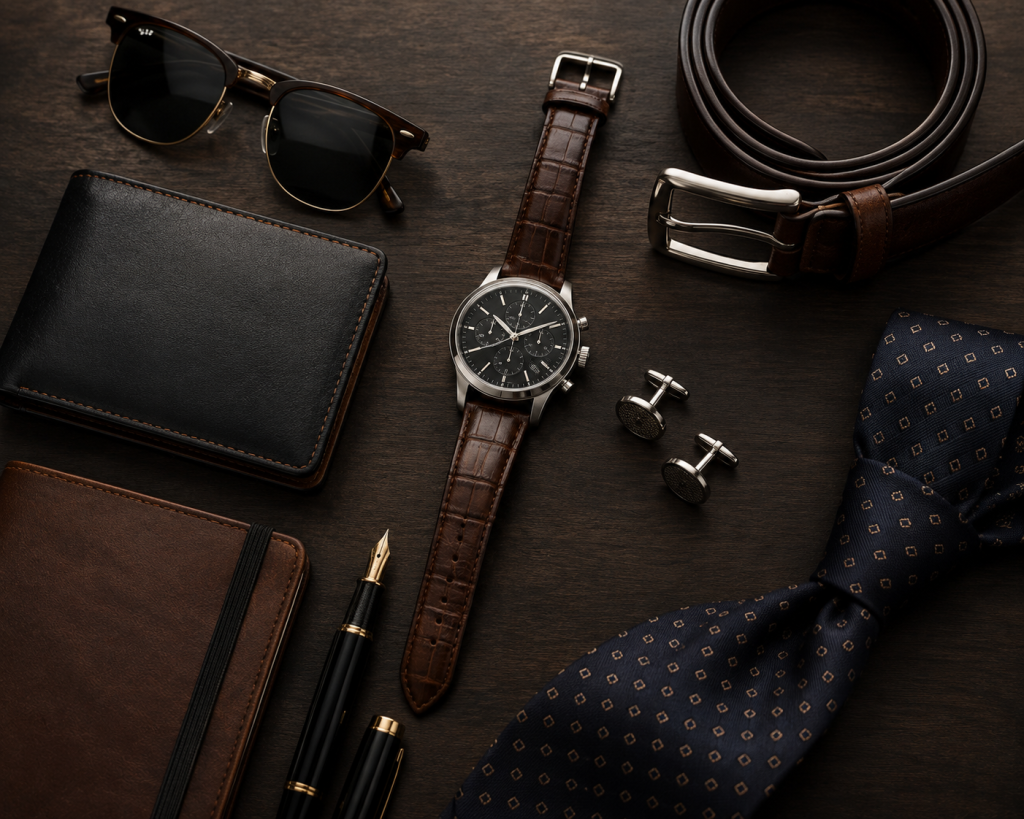
Confidence.
The best-dressed men aren’t always the richest or the most fashionable.
They’re often the ones who feel comfortable in what they’re wearing.
Confidence doesn’t come from chasing every trend or wearing expensive labels.
It comes from knowing you’ve dressed thoughtfully, appropriately, and authentically.
When you stop trying to impress everyone else, your personal style becomes stronger.
Clothes can enhance confidence.
They can’t replace it.
Wear what suits you.
Wear it well.
Then let your personality do the talking.
The Psychology Behind Great Style
Walk into any room, and something remarkable happens.
Before you introduce yourself, shake hands, or begin a conversation, people have already formed an initial impression. It’s not necessarily fair, but it’s human nature.
Psychologists have long studied how quickly people make first impressions. While appearance isn’t the only factor that shapes those opinions, it’s often one of the first pieces of information people process. Clothing, posture, grooming, and body language work together to communicate confidence, professionalism, and attention to detail.
This doesn’t mean you need a designer wardrobe to earn respect. In fact, people rarely remember the logo on your shirt or the brand of your shoes. What they notice is whether you look comfortable in your own skin.
Well-fitted clothing, clean shoes, good posture, and thoughtful grooming quietly communicate that you care about yourself—and by extension, about the people you’re meeting.
That’s the real purpose of style.
Not to impress.
But to express.
When your appearance reflects who you are, confidence follows naturally.
Fashion Rules That Are Worth Breaking
Fashion is full of rules, but not every rule deserves to survive forever. Some traditional guidelines remain timeless, while others have become more flexible as personal style has evolved.
Here are a few classic “rules” that you don’t always have to follow.
You Don’t Have to Wear a Suit Every Time
A well-tailored smart casual outfit can often look more modern than a traditional suit.
A navy blazer, white Oxford shirt, chinos, and leather loafers can feel just as polished in many professional and social settings.
Sneakers Can Look Sophisticated
Clean, minimalist white leather sneakers have become a wardrobe staple.
Paired with dark jeans, chinos, or even an unstructured blazer, they offer comfort without sacrificing style.
The key word is clean.
Scuffed or dirty sneakers instantly lose their appeal.
Mixing Textures Creates Interest
Combining different materials—such as wool, denim, suede, leather, and cotton—adds depth to an outfit.
Texture often makes an outfit feel richer than color alone.
Personal Style Matters More Than Trends
Fashion trends change every season.
Personal style develops over years.
Instead of asking,
“What’s everyone wearing?”
Ask,
“What suits me?”
That’s where authentic style begins.
The Modern Gentleman’s Capsule Wardrobe
One of the biggest misconceptions about fashion is that dressing well requires owning hundreds of pieces of clothing.
It doesn’t.
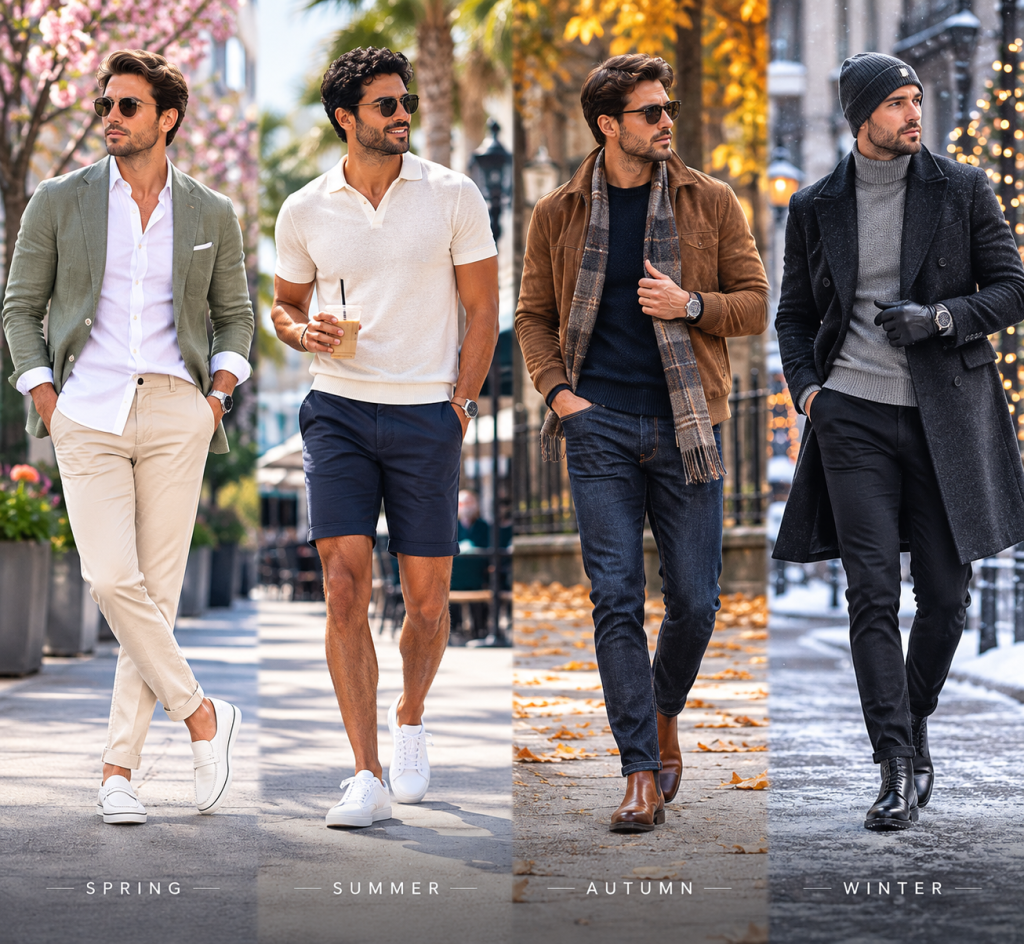
Many professional stylists recommend building a capsule wardrobe—a carefully selected collection of versatile essentials that work together effortlessly.
| Clothing | Recommended Quantity |
| White T-Shirts | 3–5 |
| Oxford Shirts | 3 |
| Polo Shirts | 2 |
| Dark Jeans | 2 |
| Chinos | 2–3 |
| Navy Blazer | 1 |
| Sweater | 2 |
| White Sneakers | 1 |
| Brown Loafers | 1 |
| Black Dress Shoes | 1 |
| Leather Belt | 2 |
| Wristwatch | 1–2 |
With these basics, you can create dozens of outfits suitable for work, travel, casual weekends, and formal occasions.
Quick Style Checklist
Before leaving home, take one minute to review your appearance.
Ask yourself:
✓ Do my clothes fit properly?
✓ Are they clean and wrinkle-free?
✓ Are my shoes clean?
✓ Does my outfit suit today’s occasion?
✓ Have I chosen colors that work well together?
✓ Is my belt matched to my shoes?
✓ Am I wearing only the accessories I need?
✓ Is my grooming neat?
✓ Am I standing with good posture?
✓ Do I feel confident wearing this outfit?
If you answered “yes” to most of these questions, you’re already ahead of the majority of people.
Editor’s Advice
The internet is full of fashion advice telling men to buy more.
More jackets.
More shoes.
More expensive brands.
But style has never been a shopping competition.
Some of the best-dressed men own surprisingly simple wardrobes. They understand what suits their body, invest in quality over quantity, and take care of what they already own.
Instead of chasing every new trend, spend time understanding your own style.
Notice which colors make you feel confident.
Learn which cuts flatter your body shape.
Take care of your shoes.
Iron your shirts.
Replace worn-out basics before they look tired.
These habits cost very little, but they make an enormous difference.
Looking well-dressed isn’t about trying to become someone else.
It’s about presenting the best version of yourself.
And that’s something every man can achieve.
Key Takeaways
- Great style begins with proper fit—not expensive labels.
- Grooming is just as important as clothing.
- Clean, polished shoes elevate every outfit.
- A few versatile wardrobe essentials outperform a closet full of trendy pieces.
- Small details, such as matching your belt to your shoes, make a noticeable difference.
- Investing in quality fabrics saves money over time.
- Dressing appropriately for the occasion shows confidence and respect.
- Personal style is built through consistency, not constant shopping.
- Confidence remains the most important element of any outfit.
Frequently Asked Questions
Do I need expensive brands to dress well?
No. Proper fit, clean clothing, good grooming, and thoughtful outfit choices have a much greater impact than designer labels.
How many outfits should a man own?
There is no perfect number. A well-planned capsule wardrobe of versatile pieces can create dozens of combinations suitable for most occasions.
What’s the biggest mistake men make when dressing?
Wearing clothes that don’t fit properly. Even premium garments lose their appeal when the fit is wrong.
Should I follow every fashion trend?
Not necessarily. Choose trends that suit your personality and lifestyle while building your wardrobe around timeless essentials.
What’s the fastest way to improve my appearance?
Focus on the basics: wear clothes that fit well, keep your shoes clean, maintain good grooming habits, and stand with confidence.
Suggested Internal Links
As your GNN360 Lifestyle section grows, consider linking this article to:
- How to Build a Capsule Wardrobe for Men
- Smart Casual Dress Code Explained
- Best Men’s Watches for Every Budget
- Essential Grooming Habits Every Man Should Know
- The Complete Guide to Business Casual Style
- Best Shoes Every Man Should Own
- Seasonal Fashion Trends for Men
- Men’s Skincare Routine for Beginners
Suggested External References
Where appropriate, support fashion or grooming advice with information from:
- Fashion institutes and design organizations
- Professional tailoring associations
- Consumer textile care guides
- Academic research on first impressions and nonverbal communication